

Farmland Raptor Project
Project Overview
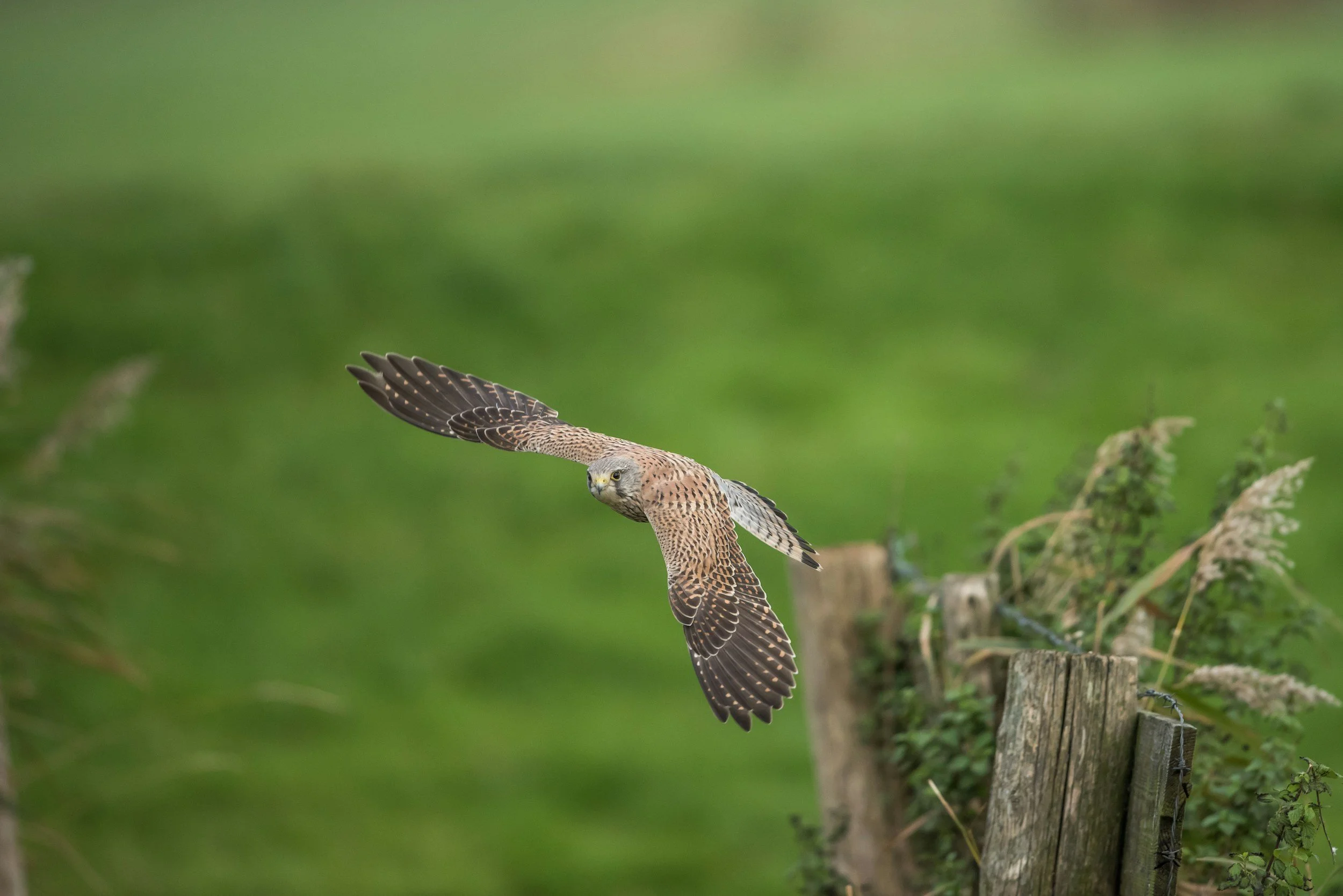
Raptors are important indicators of ecosystem health and benefit farmers and landowners by helping control insect, snake, and rodent populations. Raptors, grassland species in particular, are showing significant declines across their range due to habitat loss, increased development, changes in farming practices, and increased use of pesticides causing the reduction in prey species. Some of these raptors include the American kestrel, barn owl, and northern harrier, among others. With most of the land in the Southeast under private ownership, landowners are vital partners for the conservation of raptors and their habitats. Property owners can support raptor conservation by enhancing their lands to provide critical nesting opportunities and foraging habitats. The Farmland Raptor Project aims to engage with private landowners, communities, and others, bridging the gap between conservation efforts and landowners to create a collaborative approach for grassland raptor conservation in the Southeast.

Our Partnership
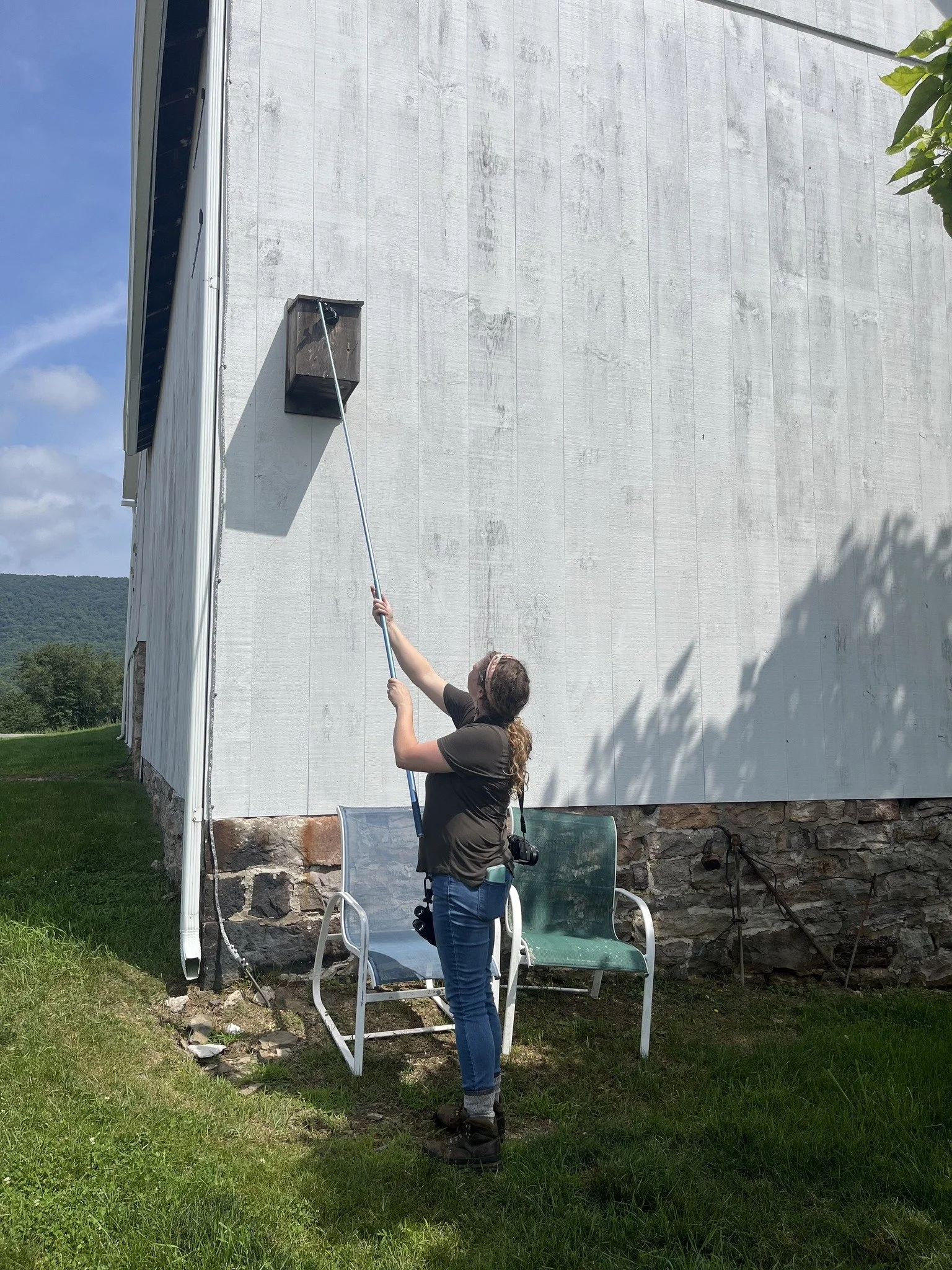
Talon Ridge Raptor Institute (TRRI) and Farmland Raptor Project are working together to expand the Project’s goal of raptor education, research, and conservation to Northeast Tennessee — while striving to protect critical farmland and grassland ecosystems, this partnership will continue working with local property owners to identify suitable habitat to install and monitor nest boxes for the American Kestrel, Barn Owl, and more. TRRI will continue raptor education programming while also assisting in the deployment of nest boxes, nest box monitoring, and data collection. This information will be reported back to Farmland Raptor Project to assist in better understanding grassland raptor species, how we can conserve them, and the action needed that is vital to the survival of these key species.